Published by DeenBloom, the app developer. This is a guide from our team.
Teaching Islam to children is one of the most important responsibilities a Muslim parent carries. In the Quran, Allah reminds us that our children are a trust (amanah) given to us, and it is our duty to guide them toward understanding their faith, building a strong moral foundation, and developing a lifelong connection with Allah.
In today's fast-paced world, where children are exposed to countless influences from an early age, Islamic education provides the compass they need to navigate life with confidence, compassion, and strong values. This guide explores why teaching Islam to kids matters and how parents can make it a natural, joyful part of their children's lives.
Why Islamic Education Matters for Children
Islamic education goes far beyond memorizing surahs and learning the steps of prayer. It shapes a child's entire worldview, teaching them about justice, kindness, gratitude, patience, and their relationship with the Creator. Children who grow up with a strong Islamic foundation develop a sense of identity and belonging that carries them through life's challenges.
- Builds a strong moral and ethical foundation from a young age
- Develops a sense of identity and belonging in the Muslim community
- Teaches compassion, honesty, respect, and responsibility
- Provides spiritual grounding that supports mental and emotional wellbeing
- Creates a lifelong connection with the Quran and Islamic traditions
- Equips children to navigate modern challenges with Islamic values
The Best Time to Start Teaching Islam
The Prophet Muhammad (peace be upon him) emphasized the importance of early education. Children are naturally curious and absorb information rapidly during their early years. Starting Islamic education between ages 3 and 5 allows children to internalize Islamic concepts as a natural part of their development rather than something imposed later.
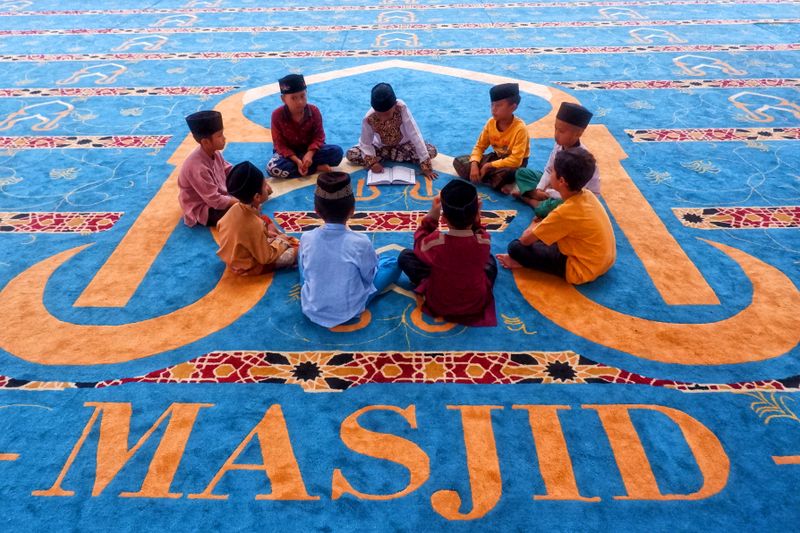
This does not mean formal lessons for toddlers. It means incorporating Islamic values into daily life: saying Bismillah before meals, learning simple duas, listening to stories of the Prophets, and making the mosque a familiar, welcoming place.
Practical Ways to Teach Islam to Kids
Make It Part of Daily Life
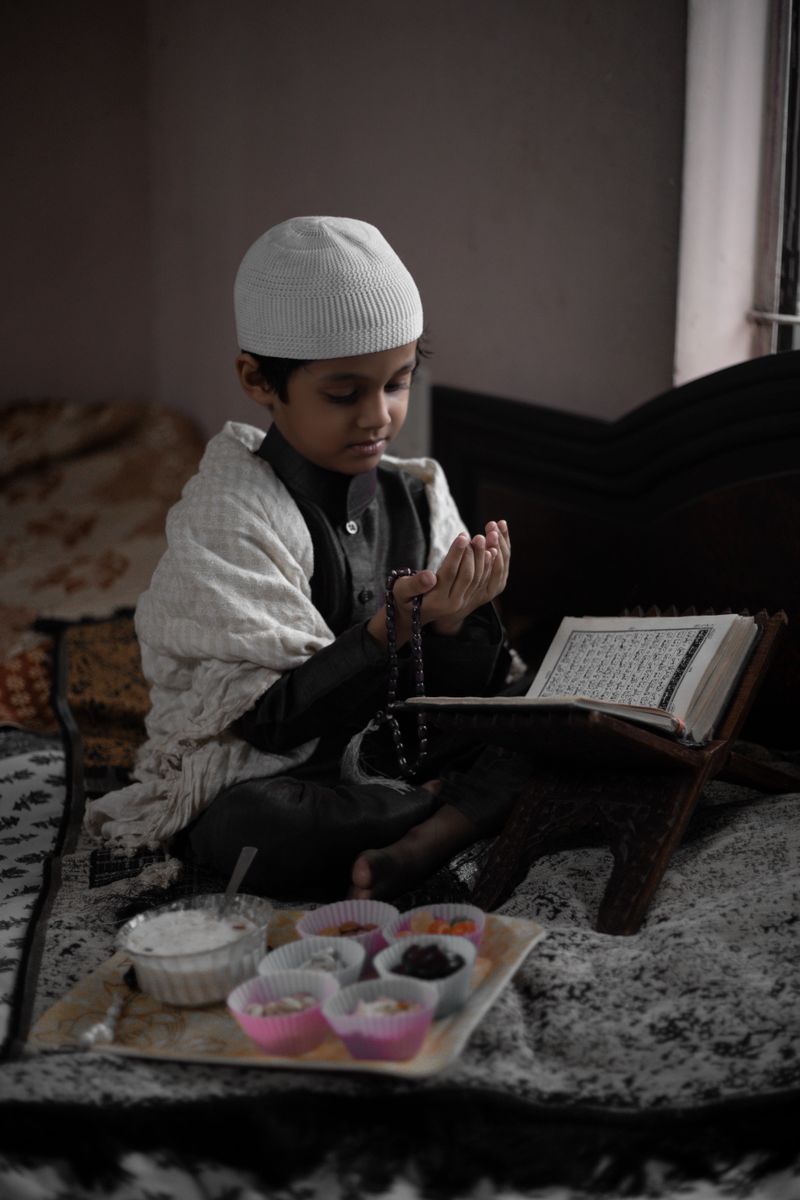
The most effective Islamic education happens naturally throughout the day. Practice duas together at mealtimes, bedtime, and when leaving the house. Let children see you praying and invite them to stand beside you. Discuss Islamic values when situations arise naturally, whether that is sharing, telling the truth, or being kind to others.
Use Storytelling
Children learn best through stories. The Quran and Islamic history are filled with captivating narratives about the Prophets, the Companions, and great Muslims throughout history. Stories about Prophet Ibrahim's faith, Prophet Yusuf's patience, and Khadijah's strength bring Islamic values to life in ways children can understand and remember.
Leverage Technology Wisely
Modern Islamic learning apps like DeenBloom have transformed how children can engage with their faith. DeenBloom offers interactive Quran lessons, Arabic alphabet learning, step-by-step Salah tutorials, Prophets stories, and Islamic quizzes designed specifically for kids aged 4 to 18. Instead of passive screen time, children actively learn and are tested on Islamic knowledge in a fun, engaging way.
Create a Supportive Environment
Surround your home with reminders of faith. Have age-appropriate Islamic books on the shelf, play nasheeds, display beautiful Arabic calligraphy, and make Ramadan, Eid, and other Islamic occasions special celebrations that children look forward to.
Common Challenges and How to Overcome Them
Many parents struggle with making Islamic learning engaging. Children may resist if it feels like a chore or if the content is not age-appropriate. The key is to make learning Islam as enjoyable as any other activity. Use apps like DeenBloom that turn Islamic education into an interactive, game-like experience. Celebrate milestones, be patient, and focus on building love for the faith rather than just knowledge.
Another challenge is consistency. With busy schedules, it is easy to let Islamic education slip. Setting a daily routine, even just 15 to 20 minutes with DeenBloom or reading an Islamic story at bedtime, creates habits that compound into deep knowledge over time.
Start Your Child's Islamic Learning Journey Today
Teaching Islam to your children is an investment that pays dividends in this life and the next. With the right tools and approach, it can be a joyful experience for both parents and children. DeenBloom makes it easy to provide your child with a comprehensive, engaging, and safe Islamic education from the comfort of your home.
Explore DeenBloom’s Islamic lessons and interactive practice with your child. Visit our parent’s guide to learn about topics and learning formats.