Published by DeenBloom, the app developer. This is a guide from our team.
Arabic holds a unique place in the hearts of Muslims worldwide. As the language of the Quran, the language of prayer, and the language of Islamic scholarship, learning Arabic connects Muslim children to their faith in a profound and direct way. Even for children growing up in non-Arabic speaking households, gaining Arabic literacy opens doors to a deeper understanding of Islam.
Why Arabic Matters for Muslim Kids
Direct Connection to the Quran
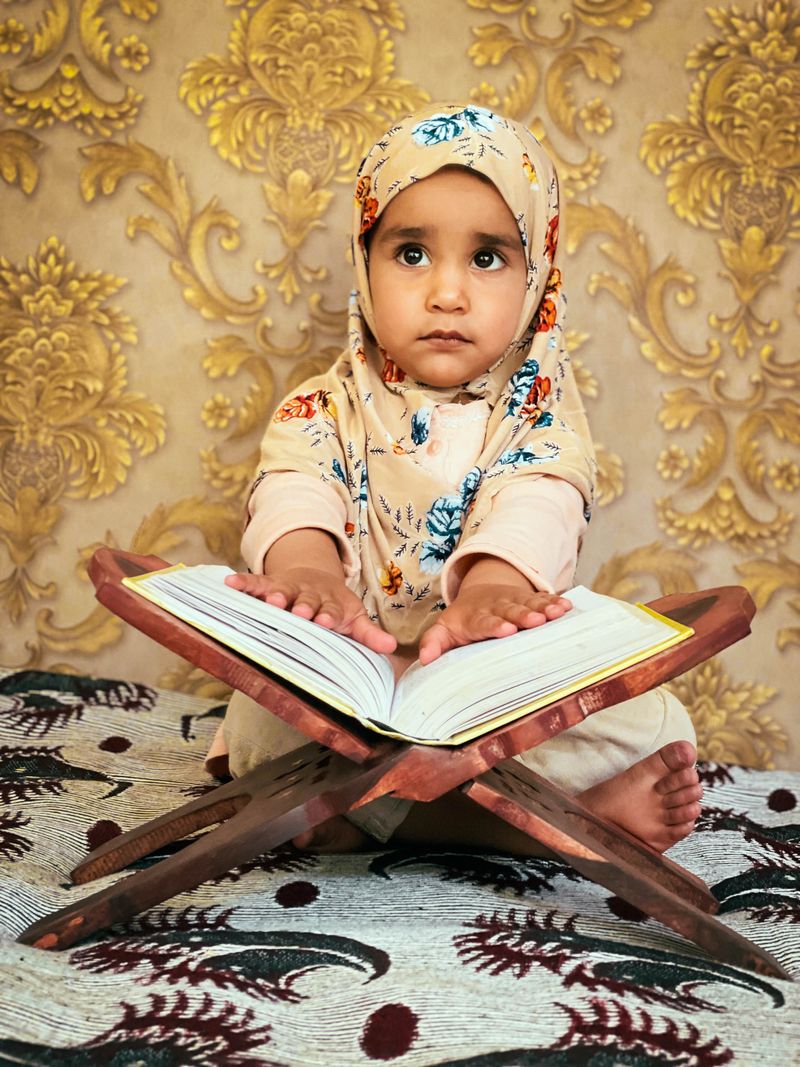
The Quran was revealed in Arabic, and while translations provide meaning, they cannot fully capture the beauty, nuance, and depth of the original text. Children who learn Arabic can eventually read and understand the Quran directly, experiencing its eloquence and power firsthand.
Understanding Prayer
Every Muslim prays in Arabic, yet many children memorize the words without understanding their meaning. Learning Arabic transforms prayer from a recitation of unfamiliar sounds into a meaningful conversation with Allah. When children understand what they are saying in prayer, it becomes a truly spiritual experience.
Access to Islamic Knowledge
The vast majority of Islamic scholarship, from hadith collections to classical tafseer, is in Arabic. Children who develop Arabic proficiency gain access to a treasure trove of Islamic knowledge that is often lost or diminished in translation.
Starting with the Arabic Alphabet
The journey to Arabic literacy begins with learning the 28 letters of the Arabic alphabet. For children, this should be a fun, interactive experience rather than rote memorization. Modern tools have made Arabic alphabet learning more engaging than ever.
DeenBloom features a comprehensive Arabic alphabet module designed specifically for young learners. Each letter is introduced with clear pronunciation, visual associations, and interactive practice exercises. Children learn letter recognition, pronunciation, and basic writing in an environment that feels like play.
Benefits Beyond Religious Learning
- Arabic is one of the six official languages of the United Nations
- Learning a second script enhances cognitive development and problem-solving
- Arabic literacy strengthens cultural identity and connection to heritage
- Bilingual children develop better executive function and mental flexibility
- Arabic proficiency opens career opportunities in a globalized world
Tips for Teaching Arabic to Children
- 1Start early when children's language acquisition ability is at its peak
- 2Use interactive apps like DeenBloom for daily Arabic alphabet practice
- 3Label items around the house with Arabic words
- 4Play Arabic nasheeds and listen to Quran recitation regularly
- 5Make Arabic learning a consistent daily habit, even if only for 10 minutes
- 6Celebrate progress and never make mistakes feel discouraging
Making Arabic Learning Accessible
One of the barriers Muslim families face is access to quality Arabic instruction. Not every community has a nearby Islamic school or Arabic tutor. This is where technology bridges the gap. DeenBloom provides structured Arabic alphabet lessons that children can access anywhere, anytime, making Arabic learning accessible to every Muslim family regardless of location.
With DeenBloom, children in any part of the world can begin their Arabic learning journey with confidence, supported by a curriculum designed by Islamic educators who understand the unique needs of young Muslim learners.
Give your child the gift of Arabic literacy. Download DeenBloom and let your child discover the beauty of the Arabic language through interactive, engaging lessons.